
RECENZIA KNIHY
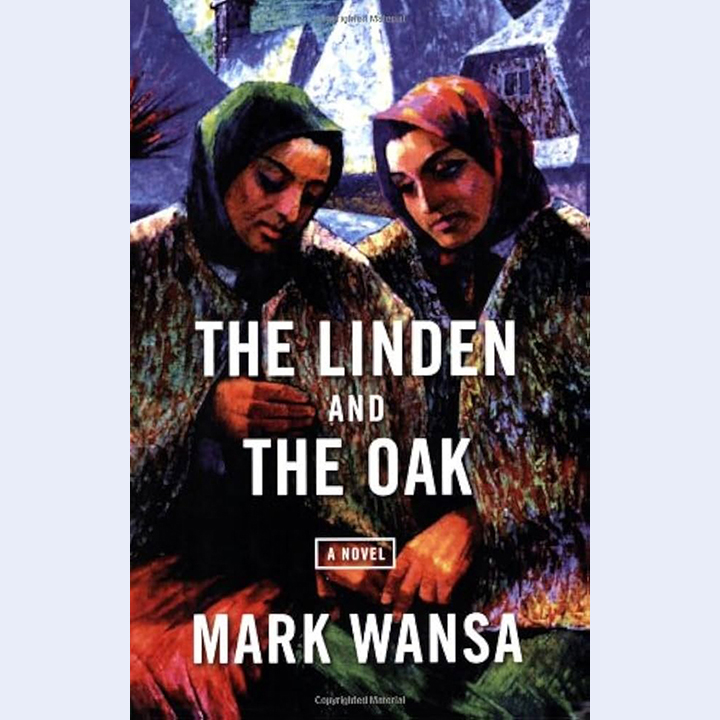
WANSA, Mark: The Linden and the Oak (Lipa a dub). Toronto: World Academy of Rusyn Culture, 2009. 550 s.
(v slovenskom preklade vyšla kniha v septembri 2025)
Patricia A. Krafcik
V rokoch 1890 až 1920 prišli do Severnej Ameriky tisíce imigrantov z Rakúsko-Uhorska – ľudia „zmietaní búrkami“ a „stiesnené masy túžiace slobodne dýchať“. Spolu s nimi prekročili oceán aj ich spomienky, piesne a príbehy o živote v starej vlasti i o emigrácii. Hoci sa mnohí usilovali čo najrýchlejšie prispôsobiť a vstúpiť do anglofónnej budúcnosti, ich osobné dejiny sa postupne vytrácali. Komunikácia s rodinami v Európe často zanikla už po prvej generácii prisťahovalcov. Dnes však mnohí ich potomkovia – už ako vzdelaní profesionáli – znovu hľadajú odpovede: Kto z predkov ešte žije v starej vlasti? Ako vyzeral ich každodenný život, najmä počas a po prvej svetovej vojne? Čo tvorilo ich kultúru, sny, radosti a smútok?
Viac o knihe TU: https://www.rusyn.sk/mark-wansa-lipa-a-dub-2025/
Túto túžbu po poznaní minulosti pretavil americký spisovateľ Mark Wansa do osobného i literárneho poslania. Roky skúmal svoje karpatsko-rusínske korene a putoval po Slovensku, Ukrajine, Poľsku a Maďarsku – krajinách, kde aj dnes žijú komunity Karpatských Rusínov, východoslovanského národa bez vlastného štátu. Výsledkom jeho bádania je prvý román Lipa a dub – rozsiahly epos o živote v dedine, o láske, vojne a hľadaní etnickej identity. V poďakovaní autor priznáva, že bol hlboko dojatý úprimnosťou a otvorenosťou ľudí, ktorí mu pomáhali pri pátraní po minulosti. Mnohí v ňom rozpoznávali črty dávno zosnulých predkov a s vďačnosťou mu sprostredkovali fragmenty spoločnej pamäti.
Dej románu sa odohráva v severovýchodnom cípe niekdajšej Rakúsko-Uhorskej monarchie, v oblasti Makovica (dnešné okresy Bardejov a Svidník). Táto krajina zelených kopcov a údolí pod Karpatmi, posiata rusínskymi dedinami s typickými drevenými kostolíkmi a roľníckymi domami, bola svedkom ťažkých bojov počas oboch svetových vojen.
Príbeh sa začína v predvečer prvej svetovej vojny návratom Vasyľa Rusynka z New Jersey na rodnú Makovicu. Dedinčania ho vítajú ako syna, ktorý sa vrátil z ďalekého sveta. Vasyľ sa opäť stretáva so svojou širokou rodinou i s dvoma sestrami Senčákovými – Paraskou a Jevkou. Druhá z nich je síce vydatá za Vasyľovho staršieho brata, no v jej srdci stále pretrváva láska k Vasyľovi. Pokoj dedinského života však naruší rakúsko-uhorská mobilizácia a vojna, ktorá vtrhne aj do týchto odľahlých končín sveta. Wansa zachytáva brutalitu vojenských operácií s pozoruhodnou presnosťou a citom pre historické detaily.
Autor zároveň reflektuje širší kontext – zložité otázky národnej a etnickej identity Karpatských Rusínov. V románe odkazuje na vznik národných rád Rusínov, ktoré sa usilovali ovplyvniť povojnové rozhodnutia o budúcnosti tohto malého národa. Tieto historické udalosti v diegetickom svete sprostredkúva postava Vasyľovho mladšieho brata Andrija, pravdepodobne autorovo alter ego.
Andrij, študent prešovskej gréckokatolíckej eparchiálnej školy, sa hlboko zaujíma o boj Rusínov za uznanie vlastnej identity. Je tiež básnikom – vizionárom, ktorý počúva hlasy minulosti a píše o „spomienke na to, čo sa už nikdy nedá nahradiť“. Premýšľa, či si emigranti, ktorí odídu do Ameriky, vôbec spomenú na svoj rodný kraj. Podobne ako Andrij, aj Wansa sa usiluje dať hlas tým, ktorých minulosť umlčala.
Jednou z najsilnejších stránok románu je autentické zakotvenie folklóru v rozprávaní. Wansa čerpá z terénneho výskumu a s citom zachytáva tradičné rituály – veštenie, čary, zdobenie pysaniek, pytačky, svadbu, narodenie dieťaťa či štedrovečerné obrady. Tieto obrazy odhaľujú prelínanie staroslovanskej magickej symboliky s kresťanskými tradíciami. Od úvodného Prelúdia, pripomínajúceho tón ľudovej rozprávky, až po lyrický epilóg, autor buduje rozprávanie s mimoriadnym rozprávačským majstrovstvom.
Motívy, ktoré spájajú jednotlivé epizódy, majú často symbolickú funkciu. Vtáky prelietajúce nad krajinou sú svedkami odchodov i návratov; lipa a dub sa stávajú symbolmi života, ktorý sa neustále obnovuje. Dub, aj keď stratí konár, rastie ďalej – „je to báseň o strome,“ hovorí Andrij, „ale v skutočnosti o našom ľude.“ Takto Wansa vytvára román, ktorý je zároveň historickou kronikou aj poetickou metaforou trvania.
Zaujímavým prvkom je aj jazyková vrstva textu. Autor do anglického rozprávania vkladá rusínske výrazy, ktoré vzápätí prekladá. Spočiatku môže tento prvok pôsobiť rušivo, no postupne sa mení na prirodzený rytmus, ktorý čitateľovi umožňuje vnímať jazyk ako súčasť identity postáv a kultúry.
Silnou stránkou románu je aj jemná charakteristika hlavnej postavy. Vasyľ Rusynko síce zohráva ústrednú úlohu, no v priebehu deja ustupuje do úzadia, aby mohli vystúpiť iné hlasy – ženy, deti, mladší brat. Záverečné kapitoly sledujú skupinu, ktorá prechádza Atlantikom na ostrov Ellis a vstupuje do Ameriky. Wansa odmieta idealizáciu – zobrazuje život v jeho pravdivosti: plný sklamaní, no aj drobných víťazstiev.
Román Lipa a dub je dielo, ktoré ocenia historici emigrácie, bádatelia v oblasti slovanskej kultúry aj čitatelia so záujmom o osudy Karpatských Rusínov – národa, ktorý dnes prežíva kultúrne obrodenie. Wansova kniha predstavuje pozoruhodný príspevok k literatúre o stredoeurópskej diaspóre a otvára priestor na ďalšie príbehy.
Zostáva otázka: dočkáme sa pokračovania, ktoré zachytí život karpatsko-rusínskych prisťahovalcov v Novom svete?
Patricia A. Krafcik
zdroj:
Ethnologia Slovaca et Slavica
Filozofická fakulta Univerzity Komenského v Bratislave
Zväzok 35, 2012
preložil: jLai
**************
UNIVERSITAS COMENIANA BRATISLAVENSIS FACULTAS PHILOSOPHICA TOMUS 35
ETHNOLOGIA SLOVACA ET SLAVICA 2012
BOOK REVIEWS
WANSA, Mark: The Linden and the Oak. Toronto : World Academy of Rusyn Culture, 2009. 550 p.
Thousands of immigrants from the Austro-Hungarian Empire came to North America between the 1890s and 1920s, many of them “tempest-tossed” and “huddled masses yearning to breathe free.” Among their scant possessions were memories and stories of Old Country life and of their emigration. While they adapted as quickly as possible, moving into their English-speaking future, in the course of time their personal histories were largely lost. Erratic communication with families in the Old Country often ceased past the immigrant generation. But many descendants of these immigrants, born and raised in the new World and often professionals in their several fields, now yearn to know more about those family members left behind in the Old Country. Who stayed behind? What were their daily activities in the villages? What was their life like especially during World War I, before and immediately after which so many immigrants left home? What of their culture, their dreams, their joys and sorrows?
The impulse to answer these compelling questions inspired writer Mark Wansa to spend several years researching his own Carpatho-Rusyn roots in a journey which took him to Slovakia, Ukraine, Poland, and Hungary countries in which minority populations of Carpatho-Rusyns, an East Slavic people, were and still are scattered. In his first novel, The Linden and the Oak, he has transformed his research into a stirring epic about village life, love, war, and ethnic identity. In his Acknowledgements, he admits being deeply moved by the overwhelming response he found to his inquiries about his ancestors and their life in the Old Country. Some informants tearfully recognized in his face a reflection of those long passed, and all generously offered to help him in his search.
Wansa’s story is set in the far northeastern corner of the former Austro-Hungarian Empire in an area called Makovytsia, encompassing the districts of Bardejov and Svidník in today’s Slovakia. An expanse of lush rolling green hills and valleys heading east toward the Carpathian foothills, dotted with Carpatho-Rusyn villages and their Eastern Christian wooden churches, their taverns, peasant homes, and farms, Makovytsia witnessed heavy action during World Wars I and II. The narrative begins on the eve of World War I with Vasyl Rusynko’s return home to his native Makovytsia after a few years working in New Jersey. He is welcomed by fellow villagers and his extended family, include the two Senchak sisters, Paraska and Yevka, the latter married to Vasyl’s older brother but still in love with Vasyl. Life appears about to return to normal, but is interrupted by an Austro-Hungarian recruitment effort for the impending war. Scenes of brutal military action throughout the region follow, all of which – despite the complexity of that war – Wansa handles masterfully.
Wansa likewise handles accurately the Carpatho-Rusyn historical experience of these years which was linked to issues of ethnic identity and national belonging. For instance, he refers to the Carpatho-Rusyns’ formation of councils to influence postwar decisions about the creation of a specific territory for this stateless people. Reports and decisions emanating from the councils are conveyed by Vasyl’s younger brother, Andrii, who provides a voice perhaps most strongly represent-ing Wansa himself. A student at the Greek Catholic Eparchial School in Prešov, Andrii is vitally interested in the Rusyns’ struggle to define their distinct identity, an interest that Wansa clearly shares in writing this book. Andrii by nature is also a prescient poet who hears the voices of absent family members, alive and deceased and is inspired to write about “the memory of something that can never be repla-ced,” about an idea “that comes from loss,” about the Rusyn people themselves. Will the humble lives in Stara Polyanka, his home village, be remembered by those who cross the sea to the New World and become Americans, he wonders? Like Andrii, Wansa desires to give voice to those whose voices have been quieted or forever lost. Like Andrii, he refuses to let their memory be forgotten.
Most striking within Wansa’s novel is the authentic folklore woven into the narrative. Drawing from his research, he depicts Paraska and Yevka and other women practicing charms and divinations and creating pysanky (wax-resist dyed eggs) for ritual use. He portrays a matchmaking ceremony, a wedding, the birth of a baby, and the Christmas Eve supper, describing customs which exhibit the blending of ancient Slavic magic and Christian symbols. As a skilled storyteller, Wansa eases his readers into his epic from the introductory “Prelude,” resembling the opening of a folktale, to the epilogue offering the reader not “what happened next,” but something very different than that. Among motifs which embellish and link components of the narrative, birds frequently circle above the sweeping landscape, viewing the comings and goings of the people from a broad and distant perspective. Linden tree blossoms invite bees to make honey, and beeswax is used to fashion candles placed in Easter baskets blessed under those very trees in spring-life thus coming full circle. Finally, majestic oaks inspire a poem by Andrii about a tree which loses a limb, but continues to grow: “It is a poem about a tree,” says Andrii, “but really it is about our people.” Wansa has produced an authenti-cally historical novel, while at the same time enhancing the text with highly lyrical passages.
Readers should prepare themselves to encounter a number of Rusyn words sprinkled throughout the text, almost always followed by a quick English translation. While this may distract at first, for the reader willing to flow with it, the Rusyn word usages begin to feel natural. The reader actually learns fragments of language along the way. A strong feature of the novel may be the nuanced way the author deals with his main character. Vasyl Rusynko plays a major role in the novel, and this evokes high expectations of him on the part of the reader, but as other individuals move forward, he fades into the background. The novel con-cludes with these others, including a little boy fathered by Vasyl, undertaking the arduous journey cross the Atlantic to Ellis Island and arriving on American soil. Wansa reveals life in its reality and offering not necessarily what we expect. What we actually get is life replete with many disappointments and some signifi-cant victories.
Historians who study emigration at the turn of the twentieth century, readers interested in Slavic history and culture, and anyone interested in Carpatho-Rusyns in particular – a people presently in the midst of a cultural revival – will find this novel intensely engaging and difficult to put down. Might there be another Wansa novel in the wings about the Carpatho-Rusyn immigrants’ life in North America? We will have to wait to find out.
Patricia A. Krafcik
https://ojs.uniba.sk/eses/article/view/100/94
Aktuality
Zobraziť všetky
30.04.2026
Dve percentá, jeden spoločný cieľ
Podporte nás 2 % z vašich daní a buďte súčasťou nášho úsilia o zachovanie a šírenie neznámej histórie Rusínov.
Vaša podpora je pre nás cenná – ďakujeme za dôveru!
Notársky centrálny register určených právnických osôb
Informácie o určenej…
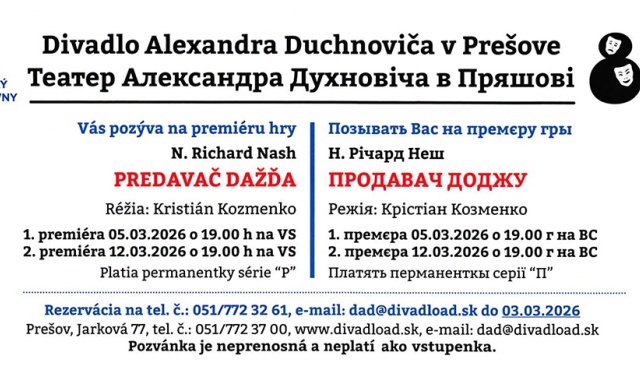
05.03.2026
Pozvánka na premiéru: Predavač dažďa / Продавач доджу
1 hodina 40 minút • Premiéra: 5. marca 2026
Originál: Predavač dažďa
štvrtok 12. 3.
2. premiéra
Veľká scéna
Dážď sa kúpiť nedá. To však neznamená, že ho niekto nemôže predávať.
Je leto, sucho a práve padol ďalší teplotný rekord. Pri va…
04.03.2026
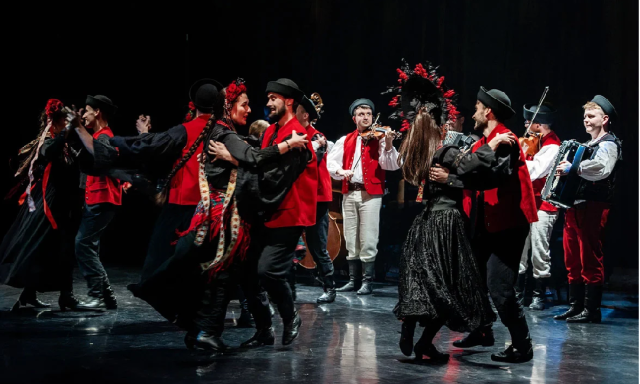
Lemkovia vytvárajú „Hołos“. O kultúre, ktorá nezanikla
autorka: Julia Pańków
Chcela som ukázať, že my, mladí Lemkovia, sme schopní vytvoriť dielo, ktoré je relevantné pre našu dobu. Že máme čo povedať a že náš hlas je dôležitý,“ hovorí Daria Kuziak, autorka prvej lemkovskej oper…
01.03.2026
PSK: Týždeň slovenských knižníc ponúkne besedy, výstavy, workshopy, kvízy aj kino medzi knihami
Jarné prázdniny sa budú v Prešovskom kraji niesť v duchu čítania, kvalitnej literatúry a pestrej palety knižničných podujatí. V pondelok 2. marca totiž štartuje Týždeň slovenských knižníc, počas ktorého si atraktívne podujatia zam…
23.02.2026
Ivan Soták *1929 †2026
Zomrel Ivan Soták, zakladateľ Katedry fyzikálnej chémie Univerzity P. J. Šafárika. Mal 96 rokov
Róbert Bejda
redaktor, webeditor
Univerzita Pavla Jozefa Šafárika prišla o jedného zo svojich bývalých významných zamestnancov. Vo veku 96 rok…
21.02.2026
Před 35 lety vznikla Společnost přátel Podkarpatské Rusi
Agáta Pilátová
Na počátku všeho stálo jedno setkání. Na jaře roku 1990, jen několik měsíců po pádu komunistického režimu v Československu, vyšel v tehdejším týdeníku Tvorba zásadní a velmi pozoruhodný článek básníka a publicisty Jaromíra Hořc…
Naše obce
Zobraziť galérie
Ujko Vasyľ
Vasyľ i Paraska. Vylet do Italiji do Pisy...
Vasyl smotryť na kryvu vežu i hvaryť:
-Smoť Paraska, Mytro i Petro, bortaky, što nam muravaly komyn, už i tu byly...!
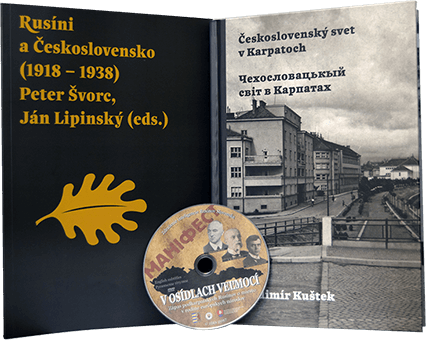
Československý svět v Karpatech
Československý svet v Karpatoch
Čechoslovackyj svit v Karpatach
Reprezentatívna fotopublikácia
Objednať